



The Complete Guide to Knife Sharpeners in the UK: How to Choose, Use & Maintain the Perfect Edge
A blunt knife is not just frustrating it is dangerous. Whether you are a professional chef in London, a bushcraft enthusiast in the Scottish Highlands, or a home cook in Manchester, maintaining a razor-sharp edge is essential for safety, precision, and performance.
At MJ Outdoors Gear UK, we stock a comprehensive range of knife sharpeners designed for every blade, budget, and skill level. In this guide, we explain the different types of sharpeners available in the UK, how to choose the right one, and how to keep your knives in peak condition year-round.
Why Knife Sharpening Matters: The UK Perspective
In the United Kingdom, knife ownership is governed by strict legislation. The Prevention of Crime Act 1953 and the Criminal Justice Act 1988 regulate the carrying and use of blades in public. However, owning and maintaining knives for legitimate purposes such as cooking, gardening, fishing, camping, and bushcraft is perfectly legal.
A well-maintained knife is a safer knife. A dull blade requires excessive force, increasing the risk of slipping and causing injury. Regular sharpening ensures cleaner cuts, prolongs blade life, and keeps your tools compliant with their intended purpose.
Types of Knife Sharpeners Available in the UK
Choosing the right sharpener depends on your knife type, steel hardness, and how much time you wish to invest in maintenance. Below, we break down each category available at MJ Outdoors Gear UK.
1. Electric Knife Sharpeners
Best for: Home cooks, busy professionals, and beginners who want speed and consistency.
Electric sharpeners use motorised abrasive wheels to grind and hone your blade at a fixed angle. They are ideal for kitchen knives, hunting knives, and everyday carry (EDC) blades. Most UK models feature multi-stage sharpening typically coarse, fine, and polishing stages.
Key Benefits:
-
Fast results in under two minutes
-
Consistent angle guidance (usually 15° or 20°)
-
Minimal skill required
Considerations: Electric sharpeners remove more metal than manual methods. Use them on high-quality Japanese knives with caution, as they may alter the factory bevel.
2. Pull-Through Sharpeners
Best for: Quick touch-ups, beginners, and those who need a portable solution.
Pull-through (or V-shaped) sharpeners feature two crossed tungsten carbide or ceramic rods. You simply draw the blade through the slot several times to restore the edge.
Key Benefits:
-
Extremely easy to use
-
Compact and affordable
-
No setup or technique required
Considerations: These sharpeners offer limited angle control and can create a less refined edge compared to stones. They are excellent for maintaining a working edge but are not suited for repairing chipped or heavily damaged blades.
3. Sharpening Stones (Whetstones)
Best for: Enthusiasts, professionals, and anyone seeking maximum control and a mirror polish.
Sharpening stones, commonly called whetstones, are the gold standard for blade maintenance. Available in various grits (from coarse 220-grit to ultra-fine 8000+ grit), they allow you to shape, sharpen, and polish your edge precisely.
Grit Guide for UK Buyers:
| Grit Range | Purpose |
|---|---|
| 220–400 | Repairing chips and reprofiling bevels |
| 800–1000 | General sharpening and edge restoration |
| 3000–5000 | Refining and smoothing the edge |
| 6000–8000+ | Polishing and achieving a mirror finish |
Key Benefits:
-
Full control over angle and pressure
-
Suitable for all blade types, including Japanese Damascus steel
-
Long lifespan with proper maintenance
Considerations: Whetstones require practice. You must learn to maintain a consistent angle (typically 15°–20° per side) and soak or splash water on the stone before use, depending on whether it is a water stone or oil stone.
4. Honing Rods & Rod Sharpeners
Best for: Daily maintenance and professional kitchens.
Contrary to popular belief, a honing rod does not technically sharpen a knife it realigns the microscopic teeth on the edge that bend during use. Regular honing extends the time between full sharpenings significantly.
Rod sharpeners, which often feature diamond or ceramic coatings, do remove a small amount of material and can lightly sharpen a dulled blade.
Key Benefits:
-
Essential for kitchen knife maintenance
-
Quick takes less than 30 seconds
-
Available in steel, ceramic, and diamond variants
Pro Tip: Use a honing rod before or after each cooking session. For UK chefs working in fast-paced environments, a 12-inch ceramic rod offers excellent reach and durability.
5. Diamond Sharpeners
Best for: Hard steels, outdoor tools, and heavy-duty reprofiling.
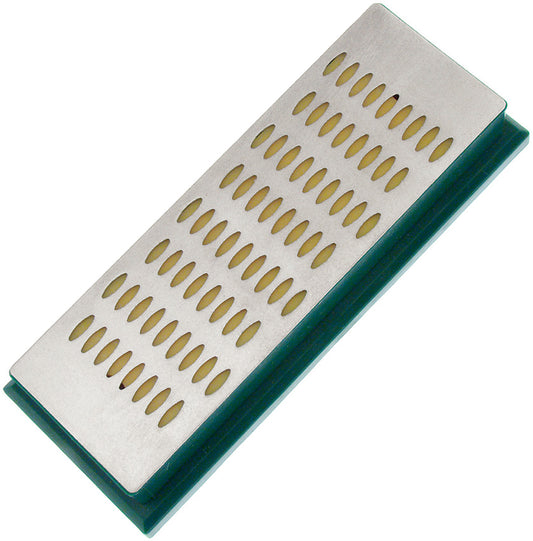
Diamond sharpeners use a metal plate coated with industrial diamond particles. They cut aggressively and are highly effective on modern super-steels (such as S30V, D2, or VG-10) that resist traditional stones.
Key Benefits:
-
Fast material removal
-
Works on dry or wet surfaces
-
Excellent for reprofiling damaged edges
Considerations: Diamond plates can scratch fine finishes and remove metal quickly. Use light pressure and progress to finer abrasives for a clean, sharp edge.
6. Field Knife Sharpeners
Best for: Campers, hikers, anglers, and military personnel.
Field sharpeners are compact, portable systems designed for use in the wilderness. They often combine diamond plates, ceramic rods, and leather strops in a pocket-sized format.
Key Benefits:
-
Lightweight and rugged
-
No water or oil required
-
Multi-angle guides for versatility
UK Outdoor Context: Whether you are trekking the Pennine Way, fishing the River Tay, or wild camping in Snowdonia, a field sharpener ensures your blade stays operational without carrying a full stone kit.
7. Razor Strops & Compounds
Best for: Straight razors, traditional cut-throat razors, and achieving a barbershop-quality finish.
A strop is a strip of leather (often mounted on wood or canvas) used with an abrasive compound to polish and refine an edge to maximum sharpness. Straight razor users in the UK rely on stropping as the final stage of their sharpening routine.
Key Benefits:
-
Produces an exceptionally keen edge
-
Removes the microscopic burr left by stones
-
Traditional, meditative process
Compounds: Green chromium oxide and diamond pastes are popular choices among UK wet-shavers and traditionalists.
8. Sharpening Kits & Sets
Best for: Beginners who want a complete system and gift buyers.
Sharpening kits bundle multiple tools, stones, rods, strops, angle guides, and lubricants into one package. They offer excellent value and ensure you have everything needed to progress from dull to razor-sharp.
What to Look For in a UK Sharpening Kit:
-
A range of grits (coarse to fine)
-
An angle guide or jig
-
A non-slip base or stone holder
-
A carrying case for storage
9. Pastes, Oils & Lubricants
Best for: Maintaining stones, reducing friction, and preventing corrosion.
Sharpening oils and water-based lubricants serve two purposes: they suspend metal particles to prevent clogging, and they reduce heat buildup that can damage blade temper.
UK-Specific Note: If you own carbon steel knives (popular in traditional Sheffield-made blades), applying a light camellia or mineral oil after sharpening helps prevent rust in the UK’s damp climate.
How to Choose the Right Knife Sharpener: A UK Buyer’s Checklist
Before purchasing a sharpener from MJ Outdoors Gear UK, ask yourself the following:
-
What type of knife do I own?
-
Kitchen knives → Electric sharpener or whetstone kit
-
Outdoor/bushcraft knives → Field sharpener or diamond plate
-
Straight razor → Strop and compound
-
-
What is my skill level?
-
Beginner → Pull-through sharpener or guided system
-
Intermediate → Combination water stone (1000/6000 grit)
-
Advanced → Full stone progression + strop
-
-
How much time can I invest?
-
Under 5 minutes → Electric or pull-through
-
15–30 minutes → Whetstone sharpening
-
30+ minutes → Full progression with mirror polish
-
-
What is my budget?
-
Entry-level sharpeners start around £10–£20
-
Premium electric models and comprehensive stone kits range from £50 to £200+
-
Step-by-Step: How to Sharpen a Knife with a Whetstone
For UK buyers investing in their first sharpening stone, follow this proven method:
-
Soak the stone (if using a water stone) for 10–15 minutes until bubbles stop rising.
-
Set the angle at approximately 15°–20°. A matchbox placed under the spine can help gauge this.
-
Work the coarse side (e.g., 1000 grit) using sweeping strokes from heel to tip. Maintain consistent pressure.
-
Check for a burr a slight ridge of metal on the opposite side. Once it forms evenly, flip the knife.
-
Repeat on the opposite side until the burr moves back.
-
Progress to finer grits (3000, then 6000) using lighter pressure.
-
Strop or hone to remove the final burr and polish the edge.
-
Test sharpness by slicing through a sheet of A4 paper or a ripe tomato.
Frequently Asked Questions (FAQ)
1. What is the best knife sharpener for beginners in the UK?
For beginners, a pull-through sharpener or an electric sharpener offers the easiest path to a sharp edge with minimal technique. As your skills develop, a combination whetstone (1000/6000 grit) provides superior results and long-term value.
2. Are electric knife sharpeners safe for expensive knives?
Electric sharpeners are safe for most Western-style kitchen knives with a 20° bevel. However, they may be too aggressive for thin, hard Japanese knives (e.g., Shun, Global, or handmade Damascus blades). For these, hand-sharpening on water stones is recommended.
3. How often should I sharpen my knives?
This depends on usage. Home cooks should hone their knives weekly and sharpen every 2–3 months. Professional chefs may sharpen weekly. Outdoor knives used for bushcraft or hunting should be inspected and touched up after each trip.
4. Is it legal to carry a knife sharpener in public in the UK?
Yes. Knife sharpeners are tools, not blades, and are legal to carry. However, carrying a sharpener alongside a locking knife or fixed-blade knife in public without good reason may attract scrutiny under UK knife laws. Always transport tools responsibly and only carry knives for legitimate activities.
4. Can I use a sharpening stone dry?
Some diamond plates and certain ceramic stones can be used dry. However, most traditional water stones and oil stones require lubrication to function correctly and to prevent damage to both the stone and the blade. Always follow the manufacturer’s instructions.
5. What is the difference between honing and sharpening?
Honing realigns a bent edge without removing metal. Sharpening grinds away metal to create a new edge. You should hone frequently and sharpen only when the blade no longer responds to honing.
6. Do I need multiple grits, or will one stone suffice?
A single 1000-grit stone is sufficient for basic maintenance. However, for repairing damage or achieving a polished, razor-like finish, a progression from coarse (400) to fine (6000+) produces significantly better results.
7. What is the best sharpener for bushcraft and camping in the UK?
A field knife sharpener is ideal. Look for a compact model with diamond plates and a ceramic rod. These require no water, work in wet conditions, and fit easily into a rucksack pocket.
Conclusion
Investing in the right knife sharpener is one of the most important decisions any blade owner can make. From the convenience of electric sharpeners and pull-through systems to the precision of whetstones, diamond plates, and traditional strops, the perfect tool exists for every UK user and every budget.
At MJ Outdoors Gear UK, we proudly stock a full range of knife sharpening solutions including electric sharpeners, pull-through sharpeners, sharpening stones, honing rods, diamond sharpeners, field sharpeners, razor strops, complete sharpening kits, and maintenance pastes and oils. Whether you are maintaining a kitchen workhorse, a bushcraft survival blade, or a cherished straight razor, our collection has you covered.
Browse our full range of knife sharpeners for sale in the UK today and experience the confidence that comes with a perfectly maintained edge.
-
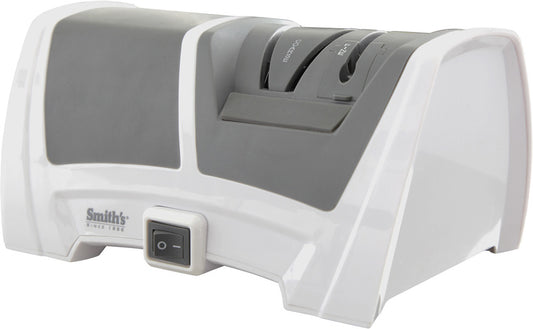
Smith's Sharpeners Diamond Electric Sharpener 50378
Looking to buy the Smith's Sharpeners Diamond E...Regular price £73.00Regular priceUnit price per£69.58Sale price £73.00Taxes included. -
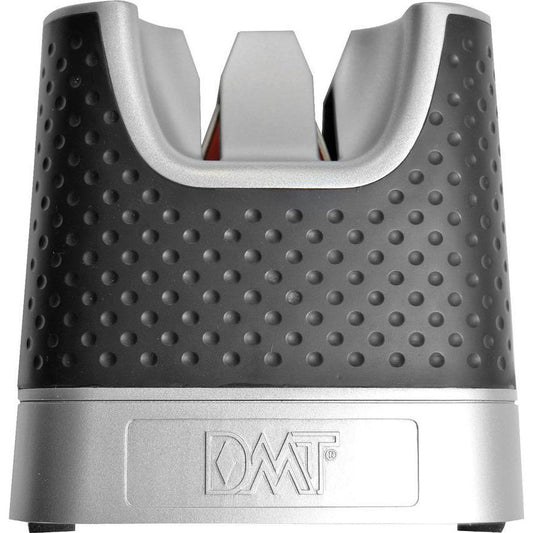
DMT Sonic-Sharp Fine Grit Straight 20001
Dimensions: 4.25" x 3.5" x 4.5". Grit: Fine. No...Regular price £39.00Regular priceUnit price per£43.00Sale price £39.00Taxes included.Sale -

Eze-Lap Diamond Chain Saw Sharpener
Size 5/32". Attach to any electric drill for qu...Regular price £11.00Regular priceUnit price per£19.00Sale price £11.00Taxes included.Sale -

AccuSharp 4-in-1 Knife & Tool Sharpener
AccuSharp 4-in-1 Knife & Tool Sharpener – C...Regular price £25.00Regular priceUnit price per£27.00Sale price £25.00Taxes included.Sale -
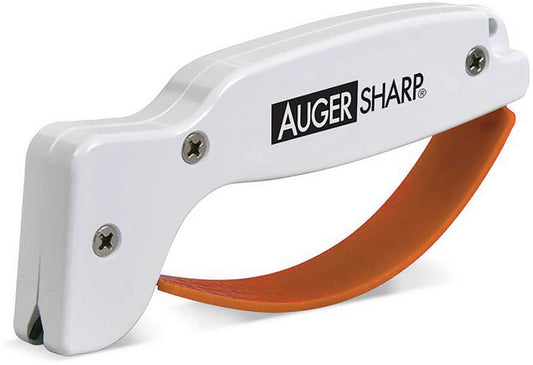
AccuSharp AugerSharp Tool Sharpener 007C
AccuSharp AugerSharp Tool Sharpener 007C – Prof...Regular price £14.00Regular priceUnit price per£22.74Sale price £14.00Taxes included.Sale -
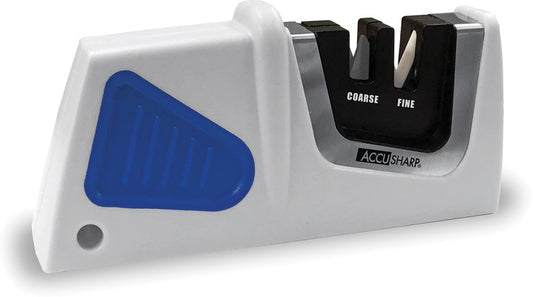
AccuSharp Compact Pull-Through Sharpener 080C
AccuSharp Compact Pull-Through Sharpener 080C –...Regular price £17.00Regular priceUnit price per£24.26Sale price £17.00Taxes included.Sale


-
Real Steel Japanese Whetstone Coarse W0002
Buy Real Steel Japanese Whetstone Coarse W0002 ...Regular price £37.00Regular priceUnit price per£33.00Sale price £37.00Taxes included. -

Norton Small Sportsman
/Handyman Pocket Stone. Measures 3" x 7/8" x 3/...Regular price £13.00Regular priceUnit price per£18.00Sale price £13.00Taxes included.Sale -

AccuSharp Butcher Steel 9in 032C
AccuSharp 9in 032C Butcher Steel a Long-Lasting...Regular price £22.00Regular priceUnit price per£27.00Sale price £22.00Taxes included.Sale -
Frost Cutlery Blademaster Diamond Sharpener BM-6EFD
Looking to buy the Frost Cutlery Blademaster Di...Regular price £25.00Regular priceUnit price per£23.47Sale price £25.00Taxes included. -
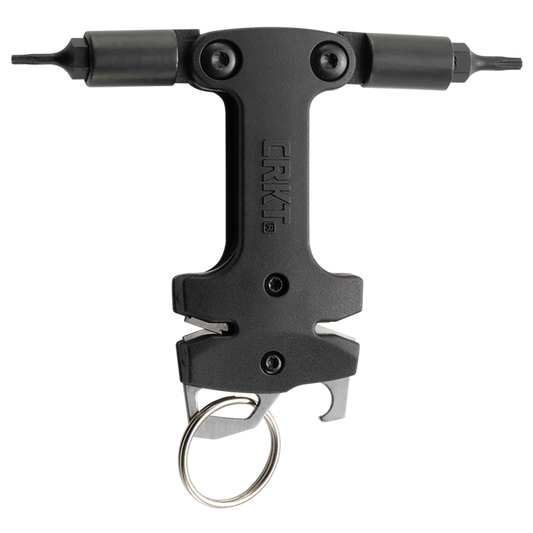
CRKT Knife Maintenance Tool 9704
CRKT Knife Maintenance Tool – Compact EDC Sharp...Regular price £40.00Regular priceUnit price per£37.00Sale price £40.00Taxes included. -

Herold Solingen Razor Strop Double Sided 65 J
Herold Solingen Razor Strop Double Sided 65 J –...Regular price £93.00Regular priceUnit price per£166.07Sale price £93.00Taxes included.Sale