


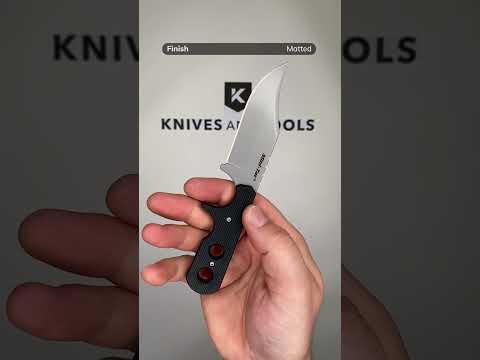




How to Choose the Best Fixed Blade Knife for Camping & Hiking
When preparing for a camping or hiking adventure in the UK, selecting the right fixed blade knife is one of the most important decisions you can make. A high-quality fixed blade knife is a dependable outdoor tool designed for durability, reliability, and long-term performance in demanding environments.
At MJ Outdoors Gear UK, we understand that choosing the best fixed blade knife can feel overwhelming with so many options available. This comprehensive guide will help you understand blade types, materials, handle designs, and key features so you can confidently select the perfect knife for your outdoor needs.
Why Choose a Fixed Blade Knife for Camping & Hiking?
A fixed blade knife features a solid blade that extends into the handle (full tang or partial tang), offering superior strength compared to folding knives. For outdoor activities like camping, hiking, bushcraft, and survival tasks, fixed blade knives are often preferred for several reasons:
- Greater durability and strength
- Easier maintenance and cleaning
- No moving parts that can fail
- Better performance for heavy-duty tasks
- Long-lasting reliability in outdoor conditions
Whether you're cutting rope, preparing food, carving wood, or building a shelter, a fixed blade knife provides stability and confidence in every task.
1- Understand the Ideal Blade Length:
One of the first considerations when choosing the best fixed blade knife for camping and hiking is blade length.
Recommended Blade Length for Outdoor Use
- 3 to 4 inches: Ideal for lightweight hiking and general campsite tasks
- 4 to 5 inches: A balanced size suitable for most camping needs
- 5 to 6 inches: Better for heavy-duty outdoor work
For most UK campers and hikers, a 4 to 5-inch blade offers the perfect balance between control and cutting capability. It is versatile enough for food preparation, wood carving, and general outdoor utility without being overly bulky.
Choosing the right blade length ensures your knife remains practical and comfortable to carry throughout your adventure.
2- Select the Right Blade Steel:
The type of steel used in a fixed blade knife significantly affects its performance, durability, and maintenance requirements.
Stainless Steel
- Excellent corrosion resistance
- Low maintenance
- Ideal for wet UK climates
- Holds an edge well
Stainless steel knives are popular among campers and hikers because they perform well in damp conditions and require less frequent care.
Carbon Steel
- Exceptional edge retention
- Easier to sharpen
- Strong and durable
Carbon steel blades are favoured for heavy-duty outdoor tasks but require proper maintenance to prevent rust.
For UK outdoor enthusiasts, stainless steel is often the preferred choice due to frequent exposure to moisture and unpredictable weather conditions.
3- Consider Blade Shape and Edge Type:
Blade shape plays a crucial role in how a fixed blade knife performs during camping and hiking activities.
Drop Point Blade
- Strong tip
- Excellent control
- Versatile for general outdoor tasks
Drop point blades are widely regarded as one of the best shapes for camping knives due to their balanced design.
Clip Point Blade
- Sharper tip
- Good for precision tasks
- Suitable for detailed cutting
Straight Edge vs. Serrated Edge
- Straight Edge: Easier to sharpen, ideal for wood carving and food preparation
- Partially Serrated: Better for cutting rope and fibrous materials
For most camping and hiking scenarios, a plain straight edge drop point blade provides the most versatility and ease of maintenance.
4- Look for Full Tang Construction:
When evaluating a fixed blade knife, construction quality is essential. A full tang knife means the blade extends fully through the handle. This design provides:
- Greater strength
- Improved balance
- Increased durability
- Better shock resistance
Full tang construction is highly recommended for camping and hiking because it ensures reliability under pressure. If you plan to use your knife for wood processing or heavier tasks, full tang is the safest and most dependable option.
5- Choose a Comfortable and Secure Handle:
Your knife’s handle directly affects comfort, grip, and safety during extended outdoor use.
Popular Handle Materials
- G10: Durable, lightweight, and resistant to moisture
- Micarta: Strong grip even when wet
- Rubberised Handles: Comfortable and shock-absorbing
- Wood: Classic appearance but requires more care
For camping and hiking in the UK, moisture-resistant materials like G10 or Micarta are excellent choices. They provide a secure grip in wet conditions and maintain performance over time.
A good handle should feel comfortable in your hand, offer a secure grip, and prevent slipping during use.
6- Sheath Quality and Carry Options:
A fixed blade knife should always come with a reliable sheath for safety and convenience.
Common Sheath Materials
- Kydex: Durable, secure retention, weather resistant
- Leather: Traditional and stylish
- Nylon: Lightweight and affordable
For hiking in varying weather conditions, Kydex sheaths offer excellent durability and moisture resistance. Ensure the sheath allows secure belt carry and easy access.
7- Match the Knife to Your Outdoor Activities:
Not all camping trips are the same. Consider your primary use:
- Lightweight Hiking: Choose a compact 3–4 inch blade
- Bushcraft Activities: Opt for a 4–5 inch full tang knife
- Extended Camping Trips: Select a durable, versatile 5-inch blade
Understanding your outdoor goals will help you select a knife tailored to your needs.
8- Maintenance and Care
Even the best fixed blade knife requires proper maintenance to ensure longevity.
Basic Maintenance Tips
- Clean after each use
- Dry thoroughly before storage
- Apply light oil to carbon steel blades
- Sharpen regularly
Proper care ensures your camping knife performs reliably for years.
Frequently Asked Questions ( FAQs):
1. What is the best blade length for camping?
A 4 to 5-inch blade is ideal for most camping tasks, offering a balance between precision and strength.
2. Is stainless steel better than carbon steel for hiking?
Stainless steel is generally better for hiking in wet conditions due to its corrosion resistance.
3. Why is full tang important?
Full tang construction increases durability, strength, and balance, making it ideal for outdoor use.
4. Should I choose a serrated or straight edge?
A straight edge is more versatile and easier to maintain for camping and hiking tasks.
Final Thoughts: Choosing the Best Fixed Blade Knife for Camping & Hiking
Selecting the best fixed blade knife for camping and hiking requires careful consideration of blade length, steel type, construction quality, handle material, and overall portability.
For most outdoor enthusiasts in the UK, the ideal camping knife will feature:
- 4–5 inch drop point blade
- Stainless steel construction
- Full tang design
- Comfortable, moisture-resistant handle
- Durable sheath for secure carry
Investing in a high-quality fixed blade knife ensures reliability, safety, and performance throughout your outdoor adventures.
We provide carefully selected outdoor gear designed to meet the needs of modern campers and hikers. Explore our collection of premium fixed blade knives and equip yourself with a dependable tool for your next journey into the outdoors.